Introduction
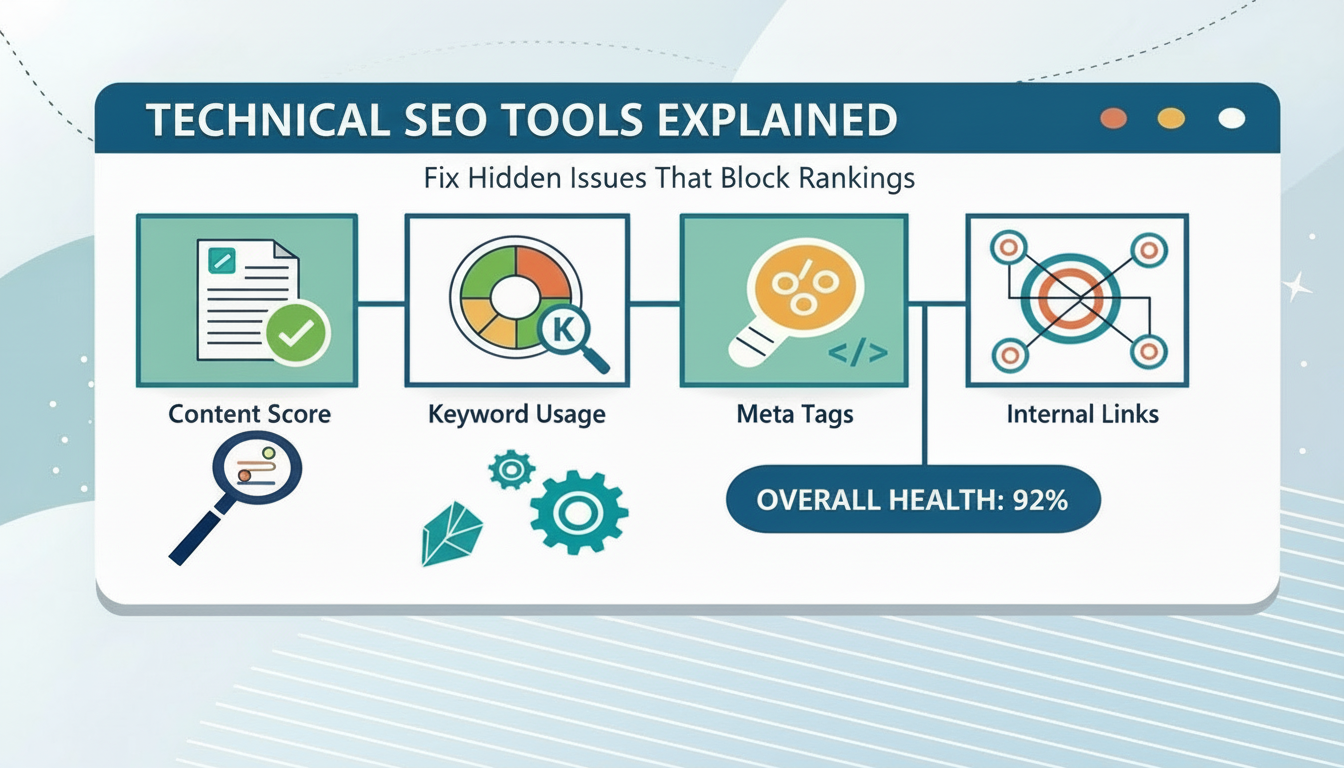
Technical SEO Tools Explained identify behind-the-scenes problems that prevent search engines from crawling, indexing, and ranking your site properly. These tools uncover issues invisible to users but critical to search visibility.
Technical SEO matters because even great content fails if search engines can’t access or understand it. This guide explains technical SEO tools in simple terms, shows how they’re used in real workflows, and highlights mistakes beginners make when “fixing” things blindly.
Why Technical SEO Tools Matter More Than Content Alone
Search engines first need access, then understanding, then trust. Technical SEO tools help with:
Crawlability and indexation
Site speed and Core Web Vitals
Mobile friendliness
Duplicate content control
Security and protocol issues
From real usage, I’ve seen strong content stay invisible simply because pages weren’t crawlable due to basic technical errors.
What Are Technical SEO Tools? (Simple Explanation)
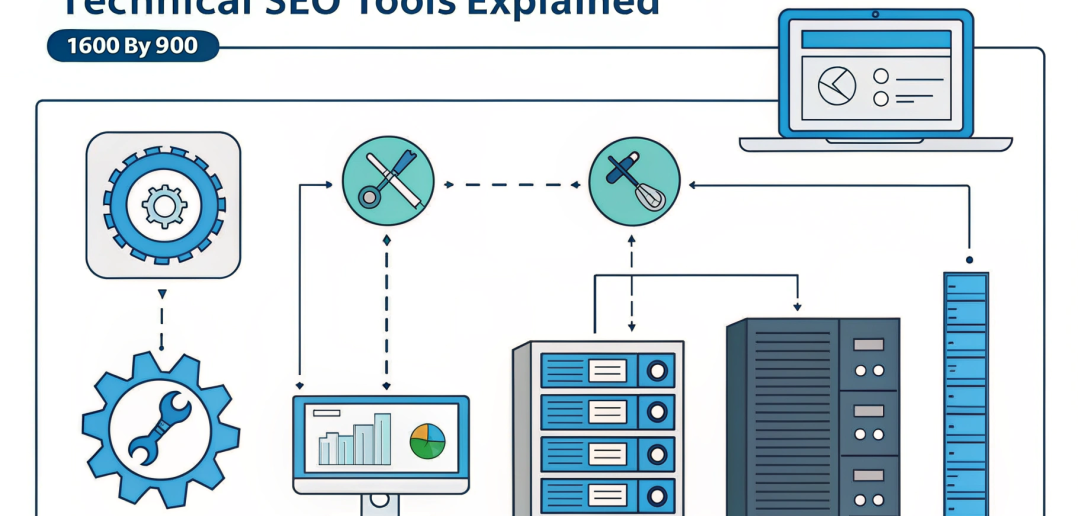
Technical SEO tools analyze site infrastructure, not writing quality.
They help detect:
Broken links and redirects
Crawl errors
Indexing problems
Page speed bottlenecks
Mobile usability issues
They don’t improve rankings directly — they remove barriers.
Common Types of Technical SEO Tools
| Tool Category | What It Diagnoses |
| Crawl tools | Broken links, redirects |
| Indexing tools | Indexed vs non-indexed pages |
| Speed tools | Load time & UX issues |
| Mobile tools | Responsive problems |
| Security tools | HTTPS & vulnerabilities |
How Technical SEO Tools Are Used (Step-by-Step)
Crawl the website
Identify high-impact errors
Prioritize fixes by severity
Implement changes carefully
Re-test and monitor
Good technical SEO is methodical, not rushed.
Beginner Mistake Most People Make
“Fixing everything at once”
Why this fails:
Breaks working pages
Causes ranking drops
Makes troubleshooting harder
Fix:
Address critical issues first, then minor ones.
Real-World Scenario: Pages Indexed but Not Ranking
Symptoms:
Pages indexed
No impressions or clicks
Tool findings:
Canonical conflicts
Duplicate URLs
Mixed HTTP/HTTPS signals
Fix:
Correct canonical tags
Standardize URLs
Enforce HTTPS
Visibility improved without changing content.
Technical SEO Tools & Crawl Budget (Often Ignored)
Search engines don’t crawl endlessly.
Technical tools help:
Reduce duplicate URLs
Eliminate crawl traps
Improve internal linking paths
Pro-Tip
Clean technical structure helps search engines focus on your best pages.
Information Gain: Why “No Errors” Doesn’t Mean “Optimized”
Many tools show:
“0 errors detected”
But:
Indexing intent may still be wrong
Internal linking may be weak
Page speed may be average, not competitive
Technical SEO isn’t about perfection — it’s about competitive adequacy, a nuance most articles skip.
Technical SEO Tools vs On-Page Tools (Quick Comparison)
| Aspect | Technical SEO Tools | On-Page SEO Tools |
| Focus | Infrastructure | Content structure |
| Visibility | Hidden from users | Visible to users |
| Impact | Access & performance | Relevance & clarity |
Both are required for stable rankings.
How to Use Technical SEO Tools Safely (Framework)
Before fixing anything, ask:
Is this affecting crawl or index?
Is traffic currently impacted?
Is this change reversible?
Avoid:
Blind recommendations
Auto-fix features without review
Over-engineering simple sites
Recommended YouTube Explainer
Search on YouTube:
“Technical SEO Explained for Beginners”
(Visual crawl + index demos perform best)
FAQs
What are technical SEO tools used for?
They diagnose crawl, index, speed, and infrastructure issues.
Do technical SEO tools improve rankings directly?
No, they remove barriers that block rankings.
Are technical SEO tools beginner-friendly?
Some are, but interpretation matters.
Can technical SEO hurt rankings?
Yes, if changes are careless.
Is technical SEO required for small sites?
Yes, but complexity should match site size.
How often should technical SEO be checked?
Monthly or after major changes.
Conclusion: Key Takeaways
Technical SEO tools help search engines access, understand, and trust your website. They don’t replace content or strategy, but they ensure your hard work isn’t blocked by invisible issues. Use them carefully, prioritize impact over perfection, and always test changes. That’s how technical SEO supports long-term growth.
Internal Link
Best Rank Tracking Tools Explained: Measure SEO Progress Right 2025