Introduction
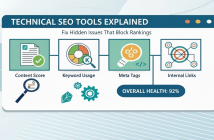
On-Page SEO Tools Explained analyze and optimize individual web pages by checking content structure, keywords, internal links, headings, and technical elements. They help ensure a page matches search intent and is easy for both users and search engines to understand.
On-page SEO matters because even great content fails if it’s poorly structured or confusing. This guide explains on-page SEO tools in plain language, shows how they’re used in real workflows, and highlights mistakes that quietly block rankings.
Why On-Page SEO Tools Matter More Than Ever
Search engines now evaluate:
Content clarity and structure
User experience signals
Internal linking relevance
Semantic coverage
On-page SEO tools help you spot issues humans often miss, especially at scale.
From real usage, I’ve seen pages jump positions simply by fixing heading order and internal links—without adding new content.
What Are On-Page SEO Tools? (Simple Explanation)
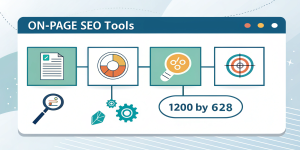
On-page SEO tools review what’s on the page, not the whole site.
They typically analyze:
Titles and meta descriptions
Headings (H1–H6)
Keyword usage and placement
Internal links
Content readability
They don’t write content for you—they highlight improvement areas.
Common Types of On-Page SEO Tools
| Tool Type | What It Checks |
| Content analyzers | Keyword & semantic coverage |
| Page audits | HTML structure issues |
| Internal link tools | Link distribution |
| UX checkers | Readability & layout |
| SERP preview tools | Title & meta appearance |
How On-Page SEO Tools Are Used (Step-by-Step)
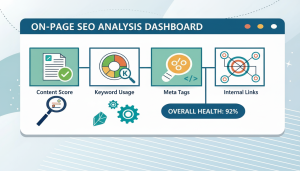
Choose a target page
Run on-page analysis
Review structure & intent
Fix priority issues
Re-check after changes
Good tools support decision-making, not blind optimization.
Beginner Mistake Most People Make
“Optimizing for tool scores instead of users”
Why this fails:
Keyword stuffing
Unnatural headings
Repetitive phrasing
Fix:
Use tools as guides, not rulebooks.
Real-World Scenario: Page Stuck on Page 2
Symptoms:
Good content
No ranking movement
Tool insights showed:
Multiple H1s
Weak internal links
Missing intent coverage
Fix:
One clear
Added contextual internal links
Improved content flow
Result: Page moved to page 1 without adding length.
On-Page SEO Tools & Search Intent (Critical Link)
Tools help identify:
Missing subtopics
Overused terms
Structural gaps
But intent matching still requires human judgment.
Pro-Tip
If your page intent doesn’t match SERP intent, no tool can save it.
Information Gain: Why “Green Scores” Can Hurt Rankings
Many tools show:
90%+ optimization scores
But:
SERPs reward usefulness, not checklists
Over-optimized pages look artificial
Natural language performs better
High scores don’t equal high rankings—this nuance is often missing in top guides.
On-Page SEO vs Technical SEO Tools (Quick Comparison)
| Aspect | On-Page Tools | Technical Tools |
| Focus | Content & structure | Site-wide health |
| Scope | Individual pages | Entire site |
| Intent | Relevance | Accessibility |
Both matter, but on-page SEO directly affects what users read.
How to Use On-Page SEO Tools Safely (Framework)
Ask:
Does this improve clarity?
Does it help users?
Does it match search intent?
Does it sound natural?
Ignore:
Forced keyword counts
Arbitrary density rules
Generic recommendations
Recommended YouTube Explainer
Search on YouTube:
“On-Page SEO Explained for Beginners”
(Intent + structure walkthrough videos perform best)
FAQs
What are on-page SEO tools used for?
They help optimize content and page structure.
Do on-page SEO tools guarantee rankings?
No. They support optimization, not results.
Can on-page SEO be done manually?
Yes, but tools save time and catch errors.
Is keyword density still important?
No. Relevance and intent matter more.
Should every page be optimized with tools?
Yes, but with restraint.
Can on-page SEO hurt rankings?
Yes, if over-optimized.
Conclusion: Key Takeaways
On-page SEO tools are valuable assistants, not ranking machines. They help improve clarity, structure, and relevance—but real gains come from understanding intent and writing naturally. Use tools thoughtfully, prioritize users, and avoid chasing perfect scores. That’s where sustainable rankings come from.