Introduction
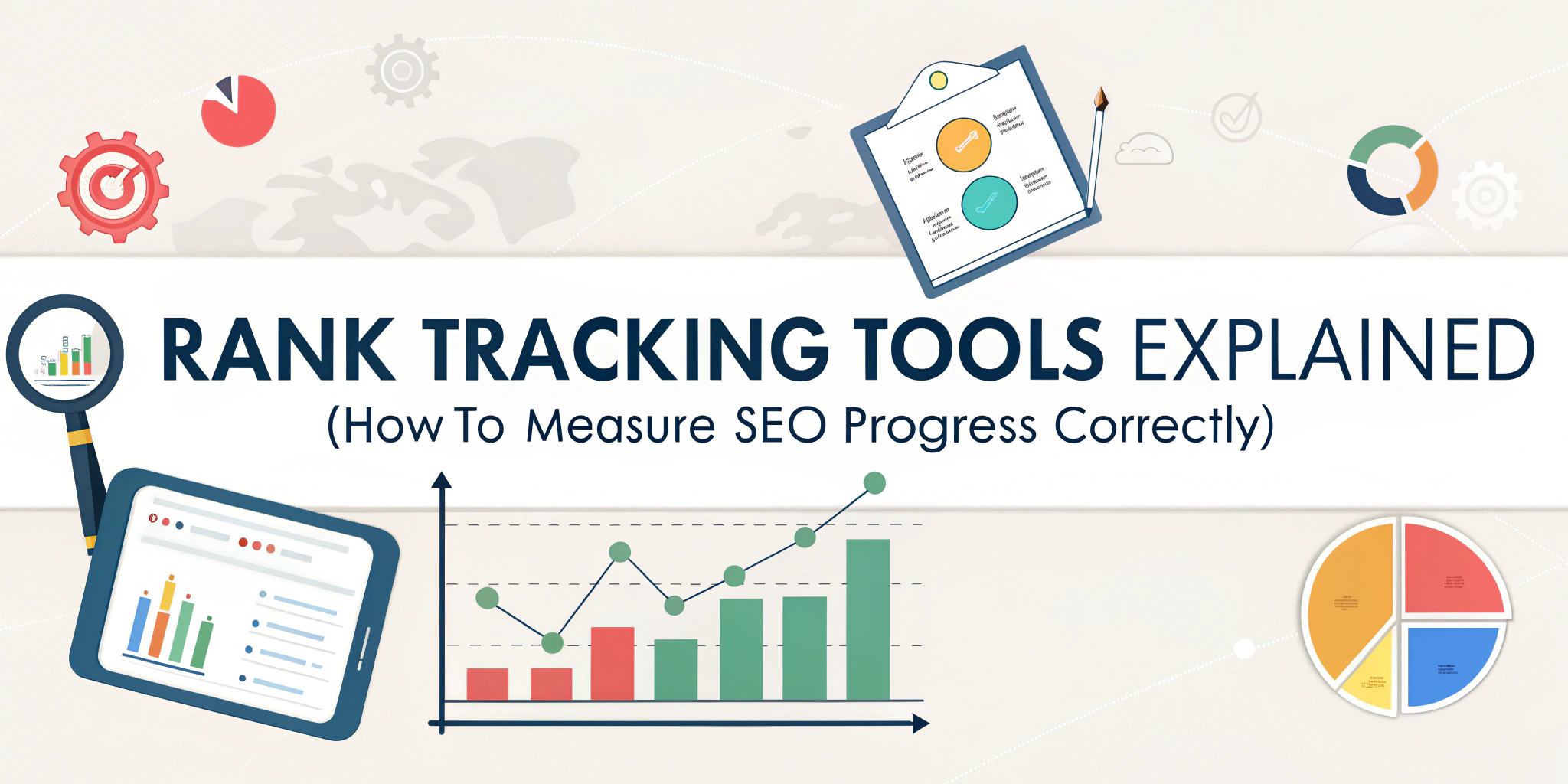
Rank tracking tools are an essential part of modern search engine optimization, yet they are also one of the most misunderstood SEO tools in use today. At a basic level, rank tracking tools monitor how a website’s pages move up or down in search engine results for selected keywords over time. They show whether a page is ranking on page one, page two, or beyond, and how those positions change as SEO work is applied. However, the real value of rank tracking goes far beyond simply checking “what position am I ranking at today?”
In 2025, search engine results pages (SERPs) are more dynamic than ever. Rankings fluctuate due to personalization, location, device type, search intent changes, algorithm updates, and the constant introduction of SERP features such as featured snippets, People Also Ask boxes, AI summaries, image packs, and video results. Because of this volatility, many website owners misinterpret ranking data, overreact to short-term changes, or make harmful SEO decisions based on incomplete information.
This confusion often starts with how rank tracking tools are used, not with the tools themselves. Many beginners treat rankings as a scoreboard—assuming higher rankings automatically mean success and lower rankings mean failure. In reality, rankings are only one signal among many. Pages can drop a few positions and still gain more traffic, improve conversions, or generate higher revenue if they align better with search intent. Conversely, ranking at position one for the wrong keyword can deliver zero business value.
Why Rank Tracking Tools Matter (And When They Don’t)
Rank tracking tools are useful for:
Measuring long-term SEO progress
Detecting sudden drops or gains
Comparing keyword performance
Evaluating optimization impact
But rankings alone don’t equal success.
From real usage, I’ve seen pages drop a few positions yet gain more traffic because intent alignment improved—something rank-only tracking doesn’t show.
What Are Rank Tracking Tools? (Simple Explanation)
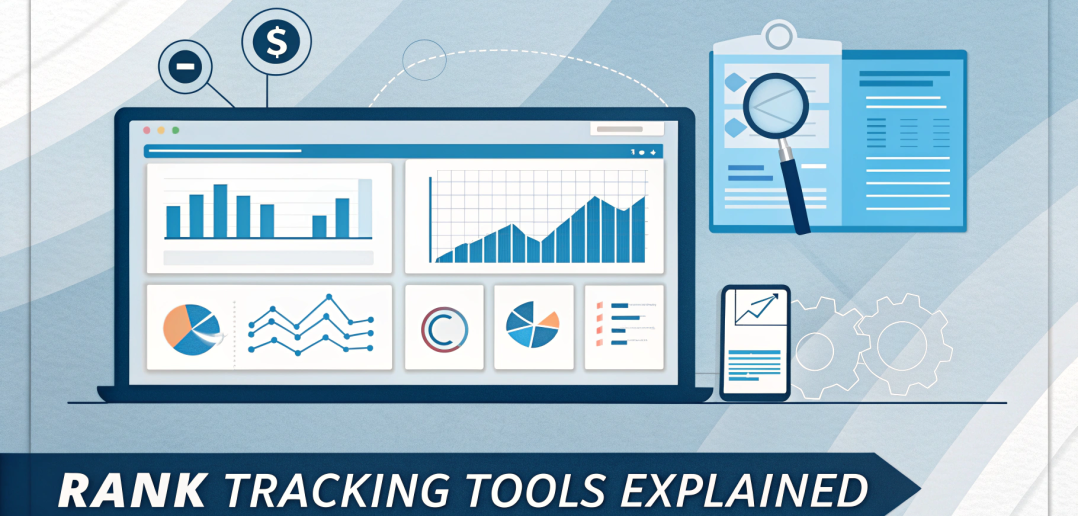
Rank tracking tools:
Track keyword positions
Record historical changes
Segment by device or location
Visualize trends
They observe outcomes, not causes.
Think of rank tracking as a thermometer, not the diagnosis.
How Rank Tracking Tools Work (Step-by-Step)
You add target keywords
Tool checks SERPs periodically
Positions are recorded
Trends and averages are calculated
Alerts notify major changes
Different tools check rankings at different frequencies—this explains variation between tools.
Types of Rank Tracking Tools
| Tool Type | Best Use |
| Daily trackers | Active SEO campaigns |
| Weekly trackers | Long-term monitoring |
| Local trackers | Geo-specific rankings |
| Mobile trackers | Mobile SERP analysis |
| Enterprise trackers | Large keyword sets |
Beginner Mistake Most People Make
“Checking rankings every day and reacting instantly”
Why this fails:
SERP volatility is normal
Personalization affects results
Overreaction leads to harmful changes
Fix:
Track trends, not daily noise.
Real-World Scenario: Rankings Dropped but Revenue Increased
Situation:
Keyword dropped from position 3 to 6
Traffic increased
Conversions improved
Why?
SERP features changed
Page matched intent better
Snippet visibility improved
Rank tracking alone didn’t explain success—analytics did.
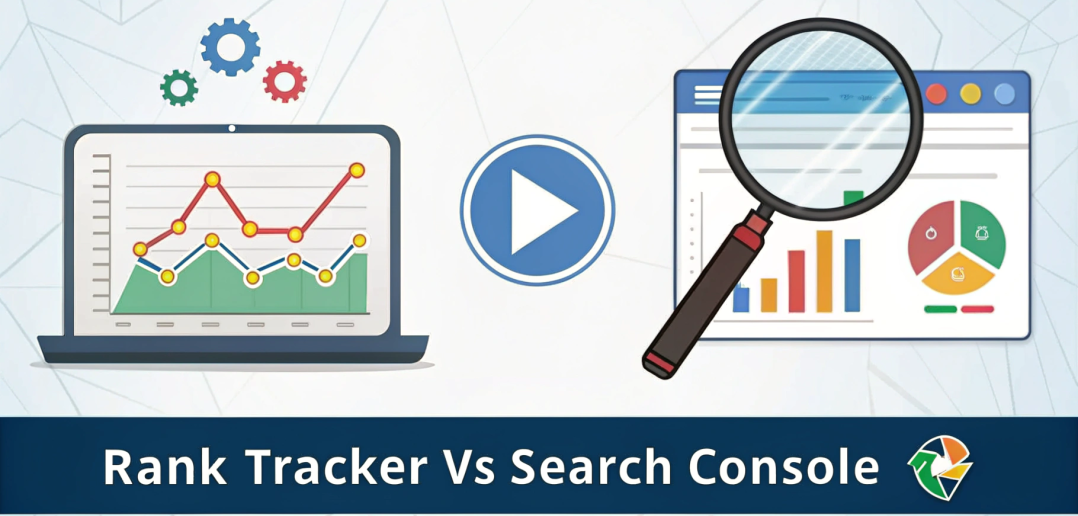
Rank Tracking Tools vs Google Search Console
| Feature | Rank Trackers | Search Console |
| Keyword positions | Estimated | Average |
| Historical trends | Detailed | Limited |
| Click data | ||
| Impression data |
Pro-Tip
Use rank tracking tools with Search Console, not instead of it.
Information Gain: Why “Average Position” Can Mislead
Many tools show an “average rank.”
Problems:
One keyword skews averages
SERP features shift visibility
Rankings vary by device/location
Average position often hides reality—a nuance most guides ignore.
What Rank Tracking Tools Can’t Tell You
They cannot explain:
Why rankings changed
Whether traffic quality improved
If intent mismatch exists
User satisfaction
This requires manual SERP review + analytics.
How to Use Rank Tracking Tools Safely (Framework)
Track:
Core keywords only
Representative locations
Consistent devices
Avoid:
Obsessing over minor changes
Tracking thousands of irrelevant keywords
Making changes without context
Recommended YouTube Explainer
Search on YouTube:
“Rank Tracking SEO Explained”
(Strategy-focused breakdowns perform best)
FAQs
What are rank tracking tools used for?
They monitor keyword position changes over time.
Are rank tracking tools accurate?
They provide estimates, not exact user views.
How often should rankings be checked?
Weekly for trends, not daily reactions.
Can rankings change without traffic loss?
Yes, especially when intent improves.
Should beginners use rank trackers?
Yes, but with limited keyword sets.
Do rank tracking tools improve SEO?
No. They measure results, not causes.
Conclusion: Key Takeaways
Rank tracking tools are useful measurement tools—but only when interpreted correctly. Rankings fluctuate naturally, and focusing on daily movement often leads to poor decisions. The real value comes from trend analysis, intent understanding, and combining rank data with traffic and conversion metrics. Measure progress calmly, not emotionally.
Internal Link
best On-Page SEO Tools Explained: Optimize Pages That Rank 2025