Introduction
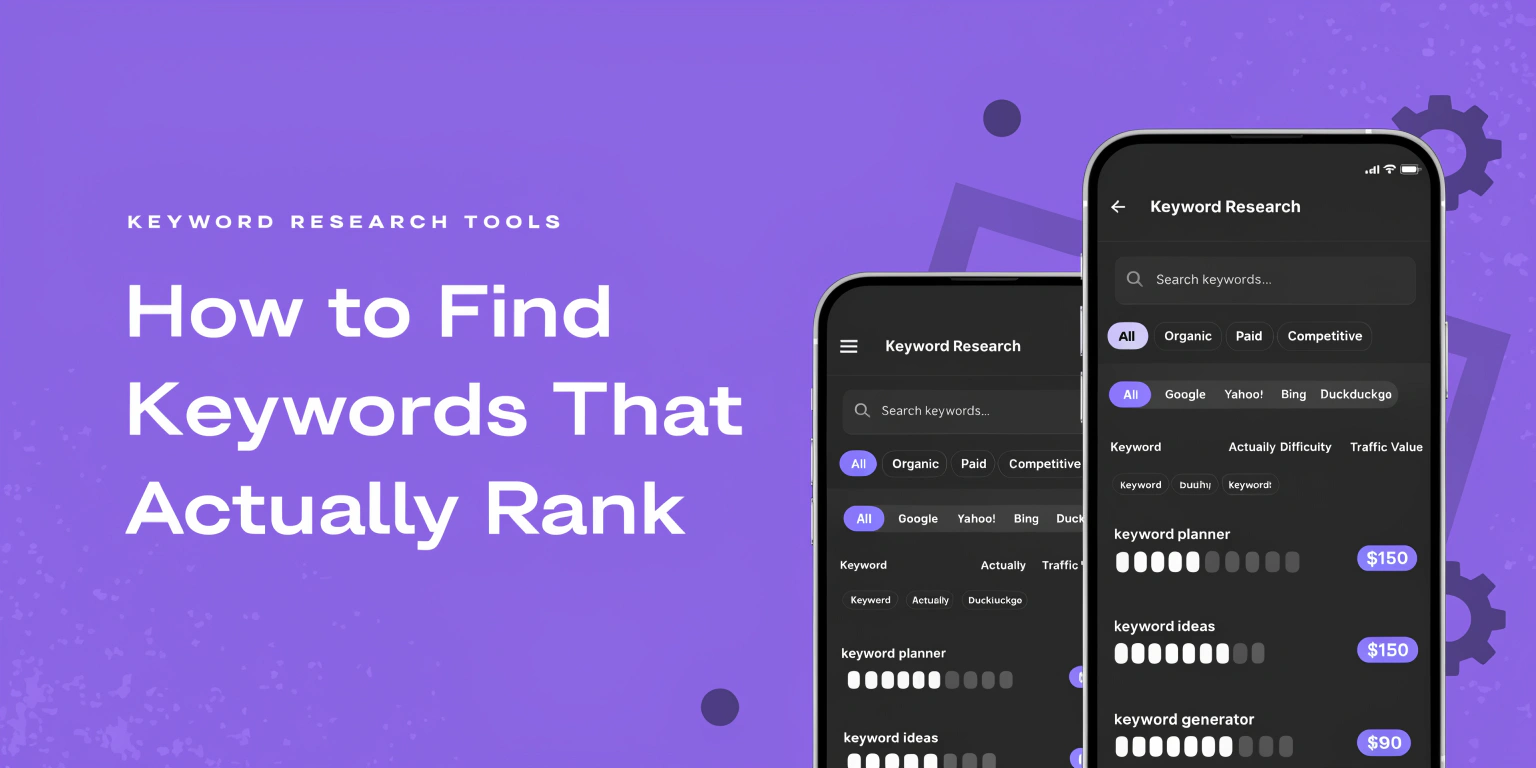
Keyword Research Tools Explained help you discover what people are searching for and how difficult it is to rank for those queries. They reveal search intent, competition level, and content opportunities before you publish anything.
Keyword research matters today because guessing topics no longer works. Search engines reward relevance and intent alignment, not volume alone. This guide explains keyword research tools in simple language, shows how to use them properly, and highlights mistakes beginners make when chasing the wrong keywords.
Why Keyword Research Tools Matter More Than Ever
Search behavior has changed. Users now search with:
Long, conversational queries
Problem-focused questions
Comparison and intent-based terms
Keyword tools help you:
Avoid wasting time on unrankable topics
Discover underserved search intent
Plan content strategically
Build topical authority
From real usage, I’ve seen small sites grow faster by targeting lower-volume, high-intent keywords instead of chasing popular terms.
What Are Keyword Research Tools? (Simple Explanation)
Keyword research tools analyze search engine data to show:
What users search for
How often queries appear
How competitive results are
Related keyword variations
They don’t guarantee rankings — they guide smarter decisions.
Popular Types of Keyword Research Tools
| Tool Type | What It Helps With |
| Search-based tools | Discover real queries |
| Competitive tools | Analyze ranking pages |
| Question tools | Find PAA-style keywords |
| Trend tools | Identify rising topics |
| SERP tools | Understand intent & layout |

How Keyword Research Tools Work (Step-by-Step)
Enter a seed keyword
Tool fetches related queries
SERP data is analyzed
Competition is estimated
Keyword ideas are grouped
Good tools focus on intent, not just numbers.
Beginner Mistake Most People Make
“Choosing keywords based only on search volume”
Why this fails:
High competition
Big brands dominate SERPs
Low conversion potential
Fix:
Choose keywords where intent + relevance + feasibility align.
Real-World Scenario: Why Traffic Doesn’t Convert
Situation:
Keyword brings traffic
Bounce rate is high
No conversions
Cause:
Informational keyword used for commercial page
Fix:
Match keyword intent with content type
Separate blog content from sales pages
Keyword Intent Types (Critical for Ranking)
| Intent Type | User Goal |
| Informational | Learn something |
| Navigational | Find a brand/page |
| Commercial | Compare options |
| Transactional | Take action |
Pro-Tip
Ranking improves when content matches intent, not volume.
Information Gain: Why SERP Review Beats Keyword Scores
Many tools show a “difficulty” score.
But real ranking insight comes from:
Who ranks on page 1
Content depth & freshness
Forum and blog presence
Manual SERP review often reveals hidden opportunities that tools miss — a point most articles don’t emphasize.
Free vs Paid Keyword Research Tools (Honest View)
| Feature | Free Tools | Paid Tools |
| Basic ideas | ||
| SERP depth | ||
| Competitor analysis | ||
| Scaling |
Free tools are excellent for learning and validation. Paid tools help when scaling content.
How to Choose the Right Keywords (Practical Framework)
Ask yourself:
Can I realistically rank?
Does this keyword match my content?
Is the intent clear?
Can I add something new?
Avoid keywords where:
SERPs are brand-dominated
Content intent is mixed
Results are outdated but still authoritative
Recommended YouTube Explainer
Search on YouTube:
“Keyword Research for Beginners SEO”
(Intent-focused tutorials perform best)
FAQs
What are keyword research tools used for?
They help identify search queries and ranking opportunities.
Are keyword tools accurate?
They provide estimates, not guarantees.
Is low search volume bad?
No. Low-volume keywords often convert better.
Can I do keyword research without tools?
Yes, but tools save time and reduce guesswork.
What is keyword difficulty?
A relative estimate of ranking competition.
How many keywords should one page target?
One main keyword with related variations.
Conclusion: Key Takeaways
Keyword research tools help you understand search behavior, competition, and intent before publishing content. The real advantage comes from interpreting data correctly, reviewing SERPs manually, and choosing keywords that match your site’s strength. When used thoughtfully, these tools turn random content into a strategic growth system
Internal Link
best Keyword Research Tools Explained: Find Keywords That Rank 2025